

2026 Fellows

Prof Megan Best
Prof Megan Best
Senior Research Fellow, Mary Andrews College, Australian University of Theology
Fellowship project: Christian resources for the end of this life
Megan Best is a Professor and Senior Research Fellow at the Institute for Ethics & Society at the University of Notre Dame Australia, where she leads research in bioethics. With a clinical background as a palliative care physician and a PhD from the University of Syndey, her career focus has been on the relief of suffering and care for the vulnerable through high quality research, public advocacy and leadership. Megan is internationally recognised for her research on spirituality in healthcare, ethical policy development, and Christian bioethics. She has published extensively, including authoring books on ethical issues at the beginning of life and palliative care.
Megan will use her ADM Fellowship to develop accessible, research-based resources to help Christians and their carers navigate the end-of-life journey in a way that upholds human dignity. By fostering understanding of normal dying processes and strengthening church communities, the project will produce practical guides for laypeople and an academic textbook for professionals.
“Normal dying is an area which is poorly understood in the community, and the spiritual challenges that arise in the face of one’s imminent death can precipitate a crisis of meaning in the lives of many people. We now face new ethical dilemmas with the legalisation of euthanasia and assisted suicide, and not only Christians but also non-believers are challenged with how to make decisions about end-of-life care. Through my Fellowship project, I want to empower Christians to model an approach to our final days that upholds human dignity in the face of illness and physical deterioration. This is a powerful way in which to communicate to our society how highly we are valued in the eyes of God and our hope in a world beyond this one, where God will wipe every tear from our eyes.”
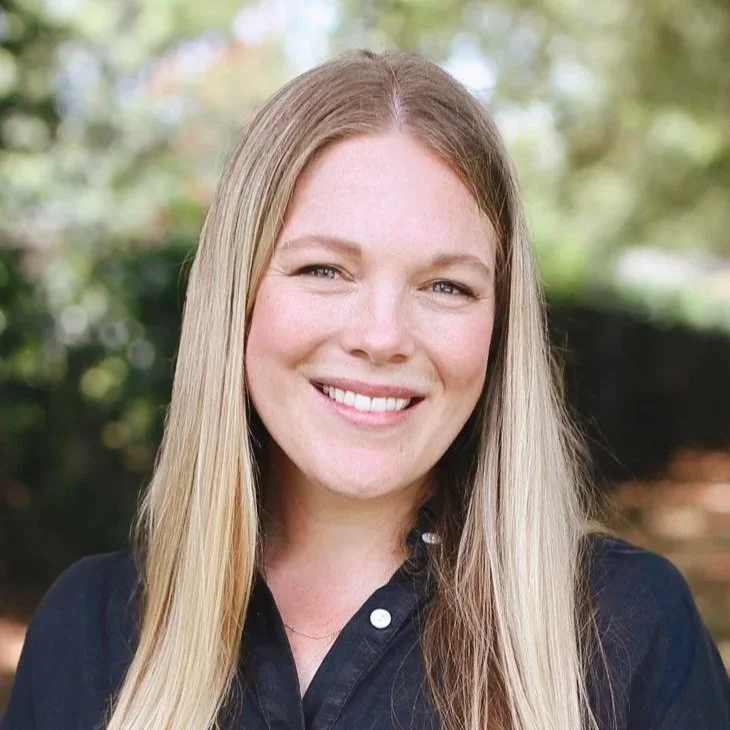
Alanna Glover
Research Fellow, Mary Andrews College, Australian University of Theology
Fellowship project: Christian singing in a world of expressive individualism
Alanna Glover is Creative Director of Emu Music, a ministry dedicated to fostering biblical and transformative congregational singing. She holds degrees in music and theology, including a BTh from Sydney Missionary and Bible College and is completing a MTh from the University of Birmingham. Alanna has served in diverse ministry roles in churches across Australia and internationally and as a Lecturer in Music Ministry at Moore College. A singer, songwriter, and trainer, Alanna is committed to equipping churches worldwide to glorify God through faithful and beautiful music ministry.
Alanna's project will build on her Master’s research to explore how Christians can recover a biblical vision for singing in an age shaped by expressive individualism. She will use her ADM Fellowship to write a book that equips pastors, musicians, and congregations with biblical, theological, and practical resources for cultivating faithful and joyful singing.
“As Christians, we are not merely invited to sing; we are commanded to. When the people of God gather, we lift our voices in praise, teaching, and thanksgiving. Yet many believers underestimate the depth and power of this practice. In a culture marked by isolation, distraction, and self-focus, congregational singing reorients us. It reminds us that we belong to Christ and to one another. Singing is not simply an aesthetic addition to our services but a formative act through which God shapes his people, builds up the church, and is glorified.”
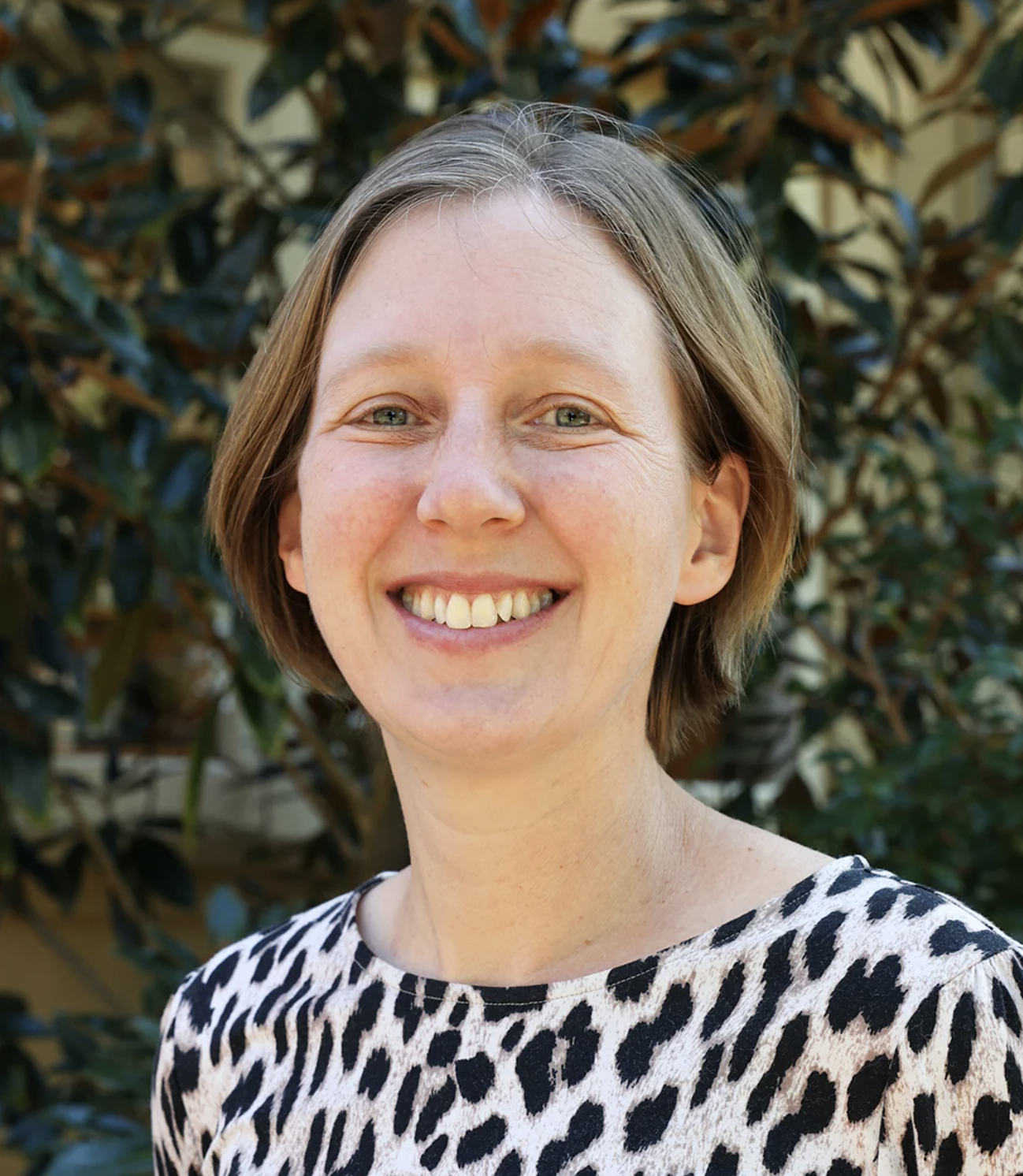
Anna Brotherson
2026 Research Fellow, Mary Andrews College, Australian University of Theology
Fellowship project: A semantic analysis of Biblical Greek tense and voice
Anna Brotherson is a lecturer in New Testament Greek at Sydney Missionary and Bible College. Anna’s current research interests include Greek semantics, translation studies, and storytelling techniques in the Gospels and Acts. She publishes devotional reflections on the Greek New Testament and articles analysing Biblical Greek language on her Substack, In Common. In 2007-2009, Anna studied her MDiv at Sydney Missionary and Bible College, where her research project was an evaluation of the ESV translation of Ecclesiastes. Following this, Anna and her husband served for ten years as OMF missionaries in SE Asia.
Anna will use her ADM Fellowship to continue her research into Biblical Greek tense and voice. She is especially eager to shed some light on the elusive aorist tense (and its aspect); to interrogate popular understanding of the “passive voice”; and to explore how different verb forms contribute to focus and emotion in Greek storytelling.
“Even though the Greek language has been studied for centuries, there are some accepted explanations of Koine Greek verbs which are in desperate need of revision. With a fresh and clear understanding of these forms, readers of the Greek New Testament will see with greater clarity the time sequences, nuance, and emotion conveyed by the original authors, leading to more precise exegesis, increased enjoyment of the Greek language, and a deeper appreciation of the literary features of the different biblical books.”
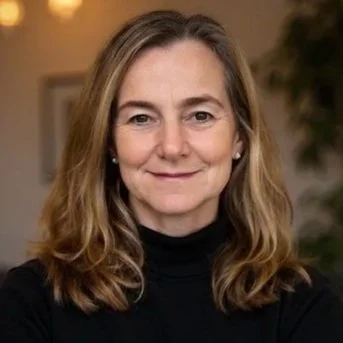
Rev. Belinda Burn
2026 ADM Research Fellow, Mary Andrews College, Australian University of Theology
Fellowship project: Don't just say sorry: a book about how gospel-shaped apology could enhance the church today
Belinda is an ordained Anglican minister, whose training is in theology, ministry, professional supervision and counselling. Following three decades of experience in parish ministry, Belinda served as the Chaplain for the Safe Ministry Team in the Sydney Anglican Diocese.
For her Fellowship project, Belinda will write a book about interpersonal apology for all Christians, and particularly for church leaders. The book will draw on her pastoral experience and training in theology and counselling. Through engagement with the scriptures, psychological research, and church tradition, it will explore what apology is, how to do it, what stops it from happening, and why it is an essential practice to maintain and build flourishing Christian communities that bear authentic witness to Jesus’ love in a world that needs him.
“I believe that our sceptical and hurting world is looking for authenticity, that many ‘sceptics’ are so for good reason—we have not practiced what we preach. The world sees our scandals, has stepped into our gatherings, and been disappointed, hurt, even abused. But genuine apology is disarming, attractive, and a powerful corrective for those who are sceptical and hurting. ”

Rev. Stephanie Judd
202 ADM Research Fellow, Mary Andrews College, Australian University of Theology
Fellowship project: Five lies women believe, and how Jesus is better.
Rev. Stephanie Judd is a gifted preacher, teacher, writer, and visionary leader. She is an ordained Anglican minister and serves as the Senior Associate Minister at City on a Hill Melbourne. Stephanie has preached at major conferences and gatherings across Australia and New Zealand — including the Annual Bishop’s Conference in Tasmania, and the Ridley Annual Preacher’s Conference. She has also been recognised as an Archdall Preaching Scholar. Stephanie holds a first-class honours degree in theology from Moore Theological College and a Bachelor of Music (Performance) from the Sydney Conservatorium of Music.
For her Fellowship project, Stephanie will write, publish, and promote her book which will address five lies women believe and show how Jesus is better, and will record and release a corresponding podcast. Each chapter will unpack the nature and experience of a lie that women commonly believe and address the lie in the light of the truth of Scripture through biblical exegesis, doctrinal reflection, pastoral insight, cultural analysis, and personal story. It will call women to live bold, courageous, and joyous lives for Jesus, propelled by the beauty and truth of the gospel.
“In the opening pages of Scripture, we discover that God isn’t the only preacher. The evil one has darkened the mind of man and woman and proclaimed a lie. Ever since, men and women have lived by lies. In Jesus, however, the believer has been rescued from the dominion of darkness. Now, she is marked by light. She is called to push back the powers of darkness as she lives out her identity in Christ.”